Introduction: Materials that mold the night
Organic mattresses often foreground two natural components as primary performance levers: latex and wool. Each brings a distinct set of properties to the sleep surface, influencing how a person experiences contour, bounce, temperature, and long-term resilience. In Orange County’s temperate winters and warm springs, these characteristics interact with local home environments—the climate, indoor heating and cooling strategies, and the way bedrooms are used—to shape comfort outcomes. Latex offers buoyant support and durability, while wool contributes temperature regulation, moisture management, and a natural flame-retardant function, all without synthetic additives in most truly organic designs.
To ground this discussion, it helps to understand how these materials are produced and what they feel like: natural latex is typically harvested from rubber trees, processed into stable, elastic foams or latex layers, and often used in a mattress core or comfort layer. Wool, especially when sourced from merino or other fine breeds, is processed into fluffy, resilient batt layers or wraps that can be integrated around springs or foam. In both cases, the goal is to deliver a surface that supports spinal alignment while reducing pressure points across different sleep positions, all while maintaining breathability and cleanliness in the sleeping environment.
Temperature regulation: how heat moves through latex and wool
One of the most consequential distinctions between latex and wool is how each material handles heat and moisture. Latex’s structure—small, open cells arranged in a resilient foam—creates a surface that offers immediate conformance and consistent bounce. Its permeability is high enough to facilitate airflow, yet the material tends to retain ambient warmth in cooler conditions. In warmer climates or during hot Orange County nights, latex can feel supportive without trapping excessive heat if paired with breathable fabrics and proper bedding layers. For many sleepers, a latex-based layer or core helps maintain a steady sleeping temperature while providing dependable support.
Wool, by contrast, excels at moisture management and natural temperature regulation. Its fiber structure wicks moisture away from the body and releases it as airflow circulates through the sleeping environment. Wool can provide a cooler feel in warm months and an insulating buffer when the room cools. This dual behavior makes wool particularly appealing in homes where nighttime temperature can swing or where a natural fiber layer is desired for hypoallergenic and flame-retardant properties. In practice, wool’s breathable quality often translates into a surface that feels cooler to the touch and more comfortable during long summer nights.
Bounce vs. pressure relief: how latex and wool shape comfort
The comfort profile of latex is frequently described as buoyant or springy. It offers what is termed a flexible support layer: the surface yields under weight to relieve pressure points but returns quickly to its original shape. This motion helps maintain spinal alignment, particularly for side sleepers who experience localized shoulder and hip pressure. In some white-glove mattress literature, this bounce is celebrated for its responsiveness—responding to shifts in sleep position and quickly re-supporting the body as movement occurs.
Wool, while sometimes perceived as a softer, more enveloping texture, contributes a different kind of pressure distribution. Wool batt and wraps can offer a tactile softness that contours to body curves without “sinking” as quickly as some memory foams. The result is a cradle-like sensation with steady support that can feel gentler on joints for some sleepers. In this sense, wool emphasizes pressure distribution and comfort layering rather than abrupt responsiveness. For those who prefer a more gradual contour and a cooler-sleeping surface, wool can be a compelling component in a hybrid configuration with latex or other supportive foams.
Sleep position, posture, and material pairing
Choosing between latex and wool—alone or in combination—depends on sleep position and body mechanics. Side sleepers often benefit from a surface that can accommodate shoulder and hip pressure relief while maintaining proper spinal alignment. In latex-based constructions, the surface can provide the right balance of contour and resilience to support these areas without excessive compression. Wool layers, used as a top layer or as a wrap around an innerspring or foam core, can offer additional pressure relief with moisture management benefits, which is especially relevant in warm evening climates or in rooms with higher humidity levels common in certain Orange County homes.
Back sleepers may appreciate a more uniform support that maintains a gentle elevation of the torso and lumbar region. Both latex and wool can fulfill this role when used judiciously within a layered mattress design. Stomach sleepers, who often require firmer surfaces to prevent excessive pelvic sag, may favor latex’s robust resilience in combination with a supportive core, while wool can contribute to a cooler surface without sacrificing stability. The overarching principle is to align the mattress profile with the sleeper’s natural spinal curvature, posture tendencies, and personal comfort preferences.
Durability and care: longevity of latex and wool in organic mattresses
Durability is a central criterion when evaluating material choices in organic mattresses. Latex—especially when produced through high-quality Dunlop or Talalay processes—tends to resist sagging and maintain a stable supportive surface over many years. The resilience of natural latex makes it a favorite for those seeking long-term performance without frequent replacement. Wool, while resilient in its own right, relies on the way it’s processed and integrated with other materials. A wool-wrapped or wool-enhanced layer can endure years of use, provided it remains clean and well-ventilated. Wool’s natural ability to resist wrinkles and its fiber integrity often means it ages gracefully, maintaining its texture and moisture-management qualities over time.
Care practices for latex-centered mattresses typically emphasize gentle cleaning, avoiding prolonged moisture exposure, and using breathable, naturally antimicrobial covers to protect the material. Wool components benefit from regular airing and avoiding high-heat drying, as wool fibers can shrink or lose loft if exposed to aggressive heat. In an Orange County home, where air conditioning can reduce humidity indoors but outdoor humidity may fluctuate, incorporating a breathable protector and ensuring proper room ventilation during dry seasons helps preserve both latex and wool layers. A well-constructed organic mattress with latex and wool layers can deliver a durable sleep surface for a decade or longer with appropriate care.
Regional context: Orange County living and sleep environment
Orange County presents a unique climate for sleep health. Mild, sunny days give way to splendid outdoor environments, but indoor climate control remains a central factor in achieving consistent sleep quality. The warmth of summers and the cool nights of coastal air create a backdrop where material choice matters beyond comfort alone. For households, this means pairing a breathable, hypoallergenic organic mattress with bedding and covers that support heat dissipation and moisture management. Latex’s robust resilience pairs well with breathable cotton or bamboo fabrics in sheet sets, while wool’s natural thermoregulation lines up with layered bedding strategies to maximize overnight comfort.
For health-minded residents, the decision between latex and wool in an organic mattress also intersects with concerns about allergen exposure and chemical safety. Organic certifications, flame-retardant approaches that avoid chemical additives, and the use of natural fibers all contribute to a sleep environment aligned with broader wellness goals. Regional resources—local clinics, sleep health programs, and consumer guides—can provide additional context for those seeking evidence-based guidance tailored to the Orange County ecosystem.
Conclusion: making an informed choice for durable, regionally appropriate sleep
The choice between latex and wool in an organic mattress is not simply a matter of texture or preference; it is a synthesis of heat management, support dynamics, and long-term care. Latex offers durable, responsive support with good breathability, ideal for sleepers who value consistent contour and ease of movement. Wool provides exceptional moisture management and a breathable, temperature-adaptive surface that can be especially appealing in warmer climates or for those who favor a softly cradling feel without sacrificing stability. In the context of Orange County homes, a well-designed mattress that blends these materials—whether as layered components or in a hybrid construction—can deliver a sleep surface that remains comfortable across seasons, supports healthy alignment, and ages gracefully with routine care.
For readers who seek an evidence-forward approach, look for organic certifications, independent testing, and transparent material sourcing. Explore how different brands layer latex and wool, and consider regional usage patterns—such as how bedrooms are heated or cooled, the prevalence of moisture in sleeping environments, and the time spent in bed. With thoughtful selection, the organic mattress that best fits your sleep style can become a quiet anchor for well-being in a climate and community that prize restorative rest.
Further reading and local context
For Orange County readers seeking regional relevance, consider monitoring sleep health resources and local clinics that discuss mattress-related comfort and ergonomic practices. Local consumer guides and educational materials can provide additional clarity on how to interpret materials, certifications, and care recommendations. The landscape of organic mattresses continues to evolve with advances in natural materials and manufacturing processes, offering ever more options for those who demand both performance and environmental responsibility.
Selected products overview
The following item, drawn from a curated selection of organic bedding, demonstrates how high-quality materials translate into tangible sleep experiences. While product details evolve, the emphasis remains on authentic materials, construction quality, and alignment with organic standards.
-
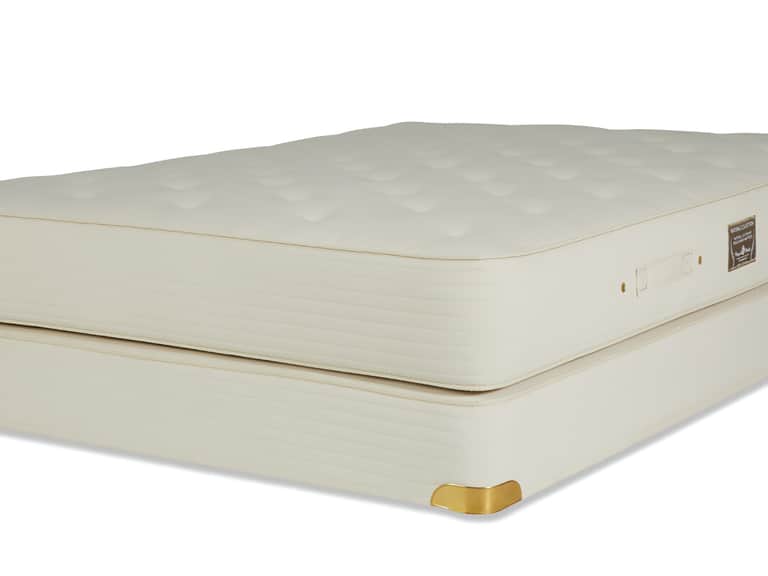
Royal-Pedic Natural Cotton Mattress with Wool Wrap — This innerspring mattress features a 3-inch wool wrap designed for comfort and a traditional feel without chemical flame retardants. It embodies orthopedic support and premium cotton materials, positioned as a high-end option for those seeking a durable, classic surface. Link: Royal-Pedic Natural Cotton Mattress with Wool Wrap.
-
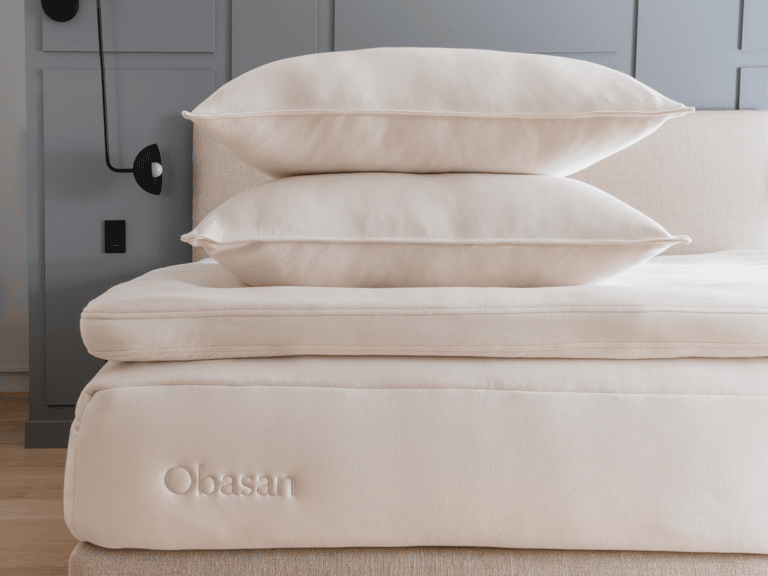
Obasan Organic Latex Rubber Pillow — While a pillow, its latex composition reflects the same care for natural materials that underpin organic mattresses. The pillow is adjustable, breathable, and offers two-sided comfort with organic wool and cotton, aligning with the broader philosophy of material integrity. Link: Obasan Organic Latex Rubber Pillow.
-
York Mattress Pad — A luxurious down-alternative mattress pad with 100% cotton fill and 300-thread-count cotton sateen, illustrating how layer components can influence the overall sleep surface when paired with organic foundations. Link: York Mattress Pad.